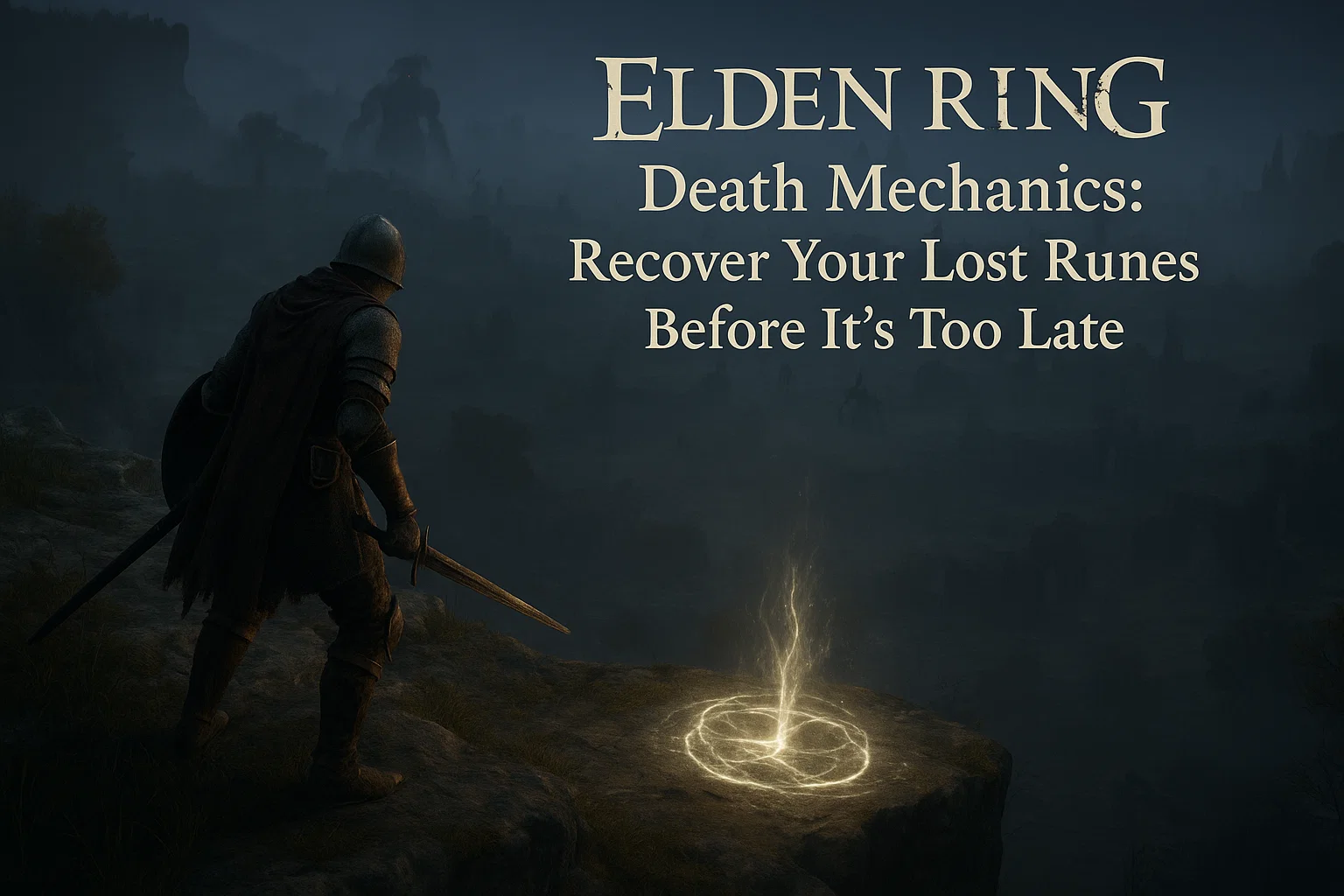
FromSoftware has carved out a unique place in the gaming world by creating experiences that are as punishing as they are rewarding. With Elden Ring, the studio didn’t just iterate on its past successes — it elevated them. One of the most compelling aspects of Elden Ring is the way it blends raw difficulty with moments of fluid elegance, creating a combat system that feels both brutal and beautiful. Within this dynamic, players are constantly encouraged to engage, improve, and explore — driven in part by the compelling reward system that includes Elden Ring Runes, a core element in character progression.
Runes are obtained by defeating enemies, completing quests, and overcoming significant challenges throughout the Lands Between. These Runes serve not just as experience points but also as the in-game currency, offering players critical choices in how they grow their character. The constant risk of losing them upon death adds tension and consequence to every encounter, reinforcing FromSoftware’s signature blend of risk and reward. This strategic layer of resource management deepens the already intricate combat mechanics and highlights the importance of every battle won or lost.
At the heart of Elden Ring’s combat system is a philosophy that values precision and timing. Rather than overwhelming the player with sheer speed or complex combos, the game rewards those who observe enemy patterns, manage stamina wisely, and choose their moments carefully. Whether wielding a colossal greatsword or casting sorceries from afar, players are invited to find a fighting style that suits them — and then master it. This design choice ensures that no one path is superior; rather, the game celebrates experimentation and adaptation.
Midway through the journey, many new players often find themselves asking, what are the runes for in Elden Ring? It’s a fair question, especially considering how often the player must make strategic decisions about whether to spend Runes on leveling up, acquiring new equipment, or enhancing their gear. The answer lies in how runes form the foundation of every meaningful choice. They shape not only your stats but also your narrative. Each death, each victory, and each rune spent contributes to a deeply personal experience defined by growth, both in gameplay and in mindset.
Combat in Elden Ring isn’t just about physical clashes; it’s about mental resilience. FromSoftware constructs environments where players must often face insurmountable odds, yet always with the tools to prevail — if they learn. Bosses telegraph their attacks, environments hint at dangers, and new tactics become viable through discovery and perseverance. This meticulous balance between harsh punishment and fair opportunity is what keeps the combat engaging over dozens of hours.
Grace enters the equation not just in animation or visuals, but in how movement and action feel. Rolling through a perfectly timed dodge, parrying a blow with a well-earned counter, or staggering an enemy with a powerful strike — these moments feel earned. The grace is not in ease, but in mastery. It’s what transforms a frustrating defeat into a fulfilling victory, turning players into storytellers of their own hard-won triumphs.
In the end, Elden Ring’s combat isn’t just a mechanic; it’s an expression of the game’s soul. It asks much of the player, but gives back even more. Through a dance of brutality and beauty, and with systems like Elden Ring Runes driving meaningful progression, FromSoftware has delivered a combat design that challenges expectations while rewarding dedication. For those willing to rise, fall, and rise again, the Lands Between offer an unforgettable journey marked by both suffering and grace.